Honda Car Key Replacement: Transponders, Fobs, and Smart Keys Explained
Honda has evolved its key technology significantly over the past two decades, and the type of key your vehicle uses directly affects how replacement is handled. Older Civic and Accord models from the late 1990s and early 2000s used a basic metal blade with no electronic component — straightforward to cut but still requiring the correct key profile. Starting around 1998 and expanding through the 2000s, Honda introduced transponder keys: a small microchip embedded in the plastic head that must be programmed to match your specific vehicle's immobilizer module. If the transponder signal doesn't match, the engine simply won't start — even if the cut is perfect. Our technicians carry the programming equipment to handle this on-site, whether you're driving a 2007 Accord or a 2015 Pilot.
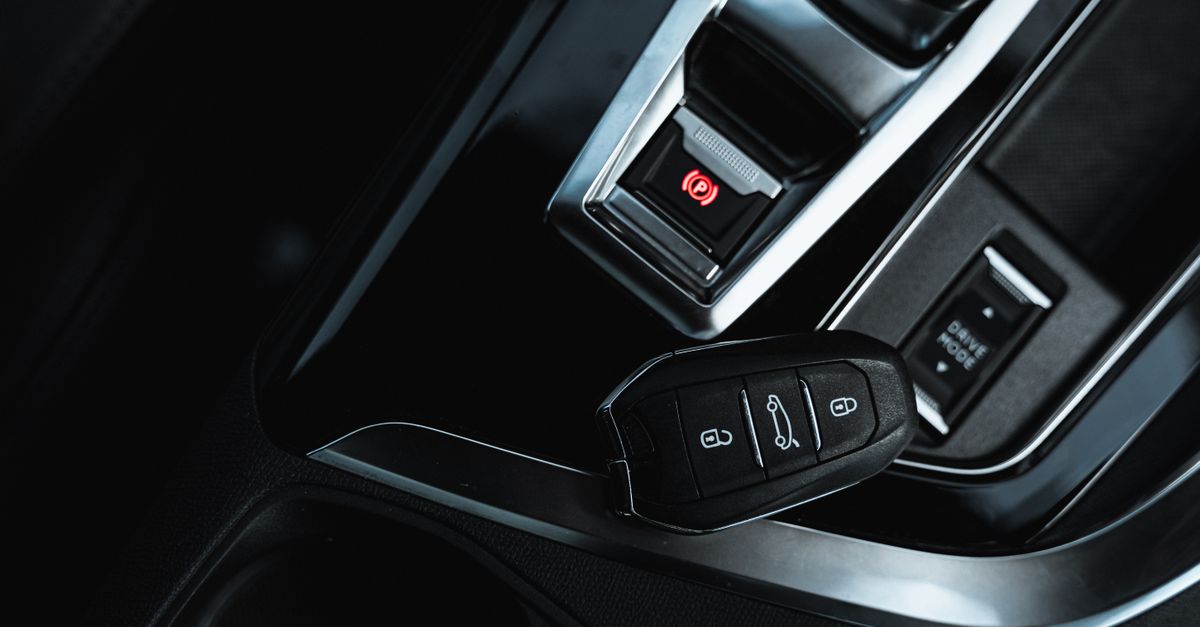
From around 2014 onward, many Honda models — including the Ridgeline, Odyssey, and CR-V — transitioned to proximity smart keys and push-button ignition systems. These key fobs use encrypted rolling codes that change with every use, making duplication far more involved than a standard chip key. Programming a smart key requires direct communication with your car's ECU, a process our mobile units are fully equipped to perform in a parking garage off Atlantic Avenue just as easily as in a driveway in Staten Island. When you call us, let us know your model year and trim level so we can arrive with the right blank and hardware — minimizing downtime and getting you back on the road without a return visit.