East Coast Locksmith and Access Control Service Team
Local locksmith team
Jul 23, 2026 10 min read
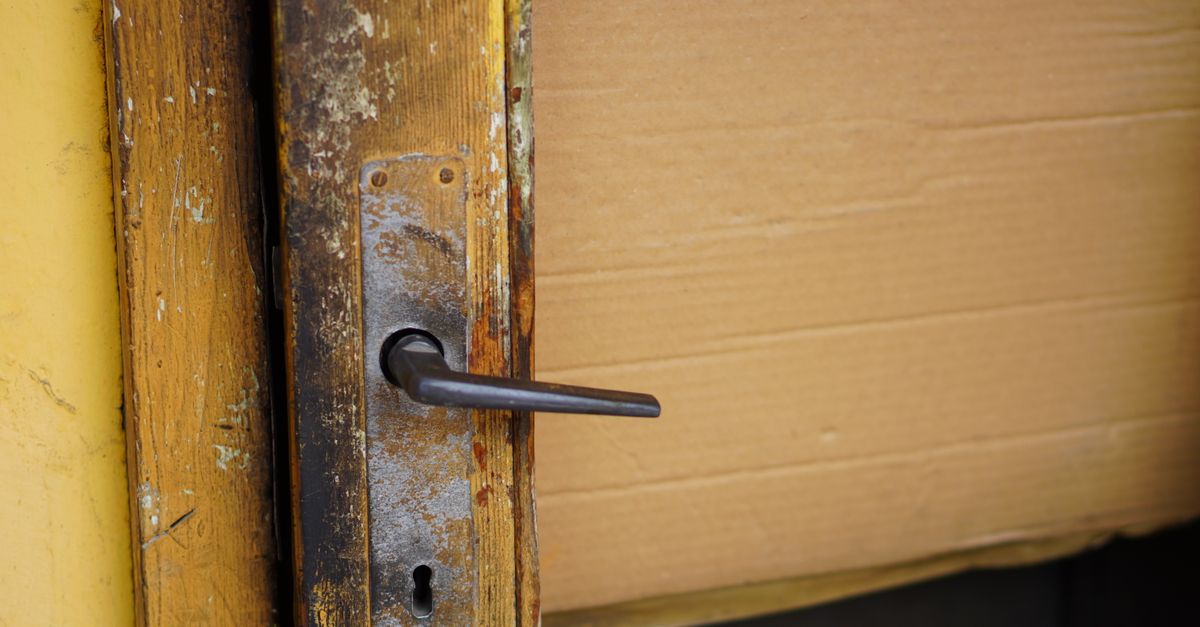
If you live in a pre-war co-op on the Upper West Side, a brownstone in Park Slope, or a landmarked walk-up anywhere in the five boroughs, chances are good your front door is held shut by a mortise lock — a beefy, rectangular mechanism set deep into the door's edge rather than bolted onto its face. These locks were built to last generations, and many of them have. But 'built to last' and 'works perfectly forever without attention' are two different things. When your latch starts sticking, dragging, or refusing to seat in the strike plate at all, the whole door becomes a daily frustration — and eventually a real security gap.
This article walks you through the most common reasons a mortise lock stops latching correctly, what a skilled locksmith will actually do to diagnose and fix the problem, and how to know when repair is the smarter call versus full replacement. Whether your building has classic Corbin Russwin hardware from the 1940s or a newer Baldwin mortise lock set installed during a recent renovation, the logic is the same — and the fix is usually more straightforward than you'd expect.
## What Is a Mortise Lock and Why Do NYC Buildings Use Them?
A mortise lock is a complete locking assembly — latch bolt, dead bolt, strike plate, and cylinder — housed inside a single rectangular case that sits recessed into a pocket (the 'mortise') cut into the door's edge. Unlike a cylindrical lockset where everything mounts through a round borehole, a mortise lock set integrates multiple functions into one unit. That's why you see a single escutcheon plate on each side of the door controlling both the handle and the key cylinder. The engineering is elegant and, when properly maintained, extremely robust.
New York's older building stock — everything from 1890s tenements in the East Village to 1960s mid-rises in Flushing — relied on mortise hardware because it was the professional standard for decades. Brands like Corbin Russwin and Baldwin became synonymous with institutional-grade quality, and their hardware is still found throughout the city today. Modern high-security and smart mortise lock options now extend the same form factor into the digital age, but the underlying mechanics — and the things that go wrong with them — remain recognizable across all generations of the design.
## The Six Most Common Reasons Your Mortise Lock Won't Latch
Door frame movement is the number-one culprit in older New York buildings. Seasonal humidity makes wood expand; dry winters make it contract. Over decades, building settlement shifts doorframes out of plumb by fractions of an inch — enough to misalign the latch bolt with the strike plate. You'll feel this as a latch that almost clicks home but requires a firm shoulder-push to fully close. A second very common cause is a worn or compressed latch spring inside the mortise case itself. The spring that drives the latch bolt forward fatigues over years of use; when it loses tension, the bolt slides forward slowly or not at all, leaving the door technically closed but not latched.
Stripped or loose through-bolts are the third issue — the long bolts connecting the two escutcheon plates can loosen over time, allowing slight movement that puts the spindle driving the handle out of alignment with the internal cam. Fourth: a dirty or dry mechanism. Mortise cases accumulate dust and dried lubricant, which turns into a gummy paste that resists every moving part. Fifth is a damaged or worn mortise lock cylinder — the plug inside the cylinder can wear to the point where the key barely turns, or a previous forced-entry attempt may have damaged the cylinder shell. Sixth, and increasingly common in gut-renovated apartments, is an incorrectly installed replacement mortise lock set on an exterior door, where the case depth or backset doesn't match the original door prep, leaving the latch perpetually misaligned.
## What a Professional Locksmith Actually Does to Diagnose and Repair It
When one of our locksmiths arrives at your door — whether that's a Carroll Gardens brownstone or a Midtown high-rise — the first step is a systematic visual and tactile inspection. We check whether the door is plumb and square in the frame, measure the gap between door edge and frame at the latch point, and look for obvious strike plate misalignment (you can often see a shiny wear mark on the strike plate showing exactly where the bolt is hitting instead of entering the hole). We also operate the handle and key cylinder with the door open to isolate whether the problem is mechanical inside the case, a cylinder issue, or purely a door-and-frame alignment problem.
For a misaligned strike plate, the fix is usually repositioning and elongating the strike plate hole or shimming the plate — a precise job that takes the right tools and an eye for how the door moves across seasons, not just how it sits right now. A worn latch spring or internal cam is repaired by removing the mortise case, disassembling it, replacing the worn component, and reinstalling — something that sounds simple but requires familiarity with the specific case design, since a Corbin Russwin case from 1955 and a Baldwin mortise lock set from 2010 open and reassemble differently. Lubrication is done with a dry graphite or Teflon-based product, never oil, which attracts more debris. If the mortise lock cylinder is the problem, we can often rekey or replace just the cylinder without touching the rest of the case. If you've been locked out and are wondering whether to call right now — yes, call us at 646-722-6780 and we'll walk you through what we're seeing before committing to any work.
## Repair vs. Replacement: How to Make the Right Call
Repair almost always makes sense when the mortise case itself is structurally sound — meaning the cast-iron or zinc body isn't cracked, the bolt pockets aren't stripped, and the door itself is in good condition. A quality mortise lock set, particularly commercial-grade hardware, is designed to be serviced indefinitely. Replacing a latch spring, cam, or cylinder costs a fraction of a full case swap, and you preserve original hardware that may be very difficult to match if the door has historic trim. In landmarked buildings — and there are hundreds of them across Greenwich Village, Brooklyn Heights, and Harlem — your lease or co-op board may actually require you to maintain original hardware profiles.
Replacement becomes the right conversation when the case body is cracked or the internal bolt channels are worn to the point where no spring or cam will hold the geometry correctly, when a door knob lock component has been bodily torn away in a break-in attempt, or when the existing hardware simply can't accommodate a smart mortise lock upgrade the building has approved. Even then, our locksmiths will give you an honest assessment rather than defaulting to the more expensive option. The factors that shape your final quote include the specific hardware needed, whether parts must be sourced for a discontinued model, the time of day, and travel distance — and we'll confirm an exact price before any work begins, with no surprises on the invoice.
## When 'Sticky Lock' Is Actually an Emergency — and What to Do Right Now
A mortise lock that won't latch is more than an annoyance — it's a security failure. A door that requires a body-slam to close is a door that a strong gust or vibration can push open. In a ground-floor apartment in Astoria or a street-level commercial space in the Garment District, that's a meaningful risk. The threshold for what defines an emergency situation is personal, but we'd argue that any failure leaving your home or business unsecured overnight qualifies. Our team operates around the clock precisely because lock failures don't wait for business hours.
If the lock is failing but the door will still physically close and you can secure it another way temporarily — a secondary deadbolt, a chain, or a door bar — use that as a stopgap and call us to schedule same-day service. If the door won't stay closed at all, or if the failure followed an attempted break-in, call 646-722-6780 immediately. We dispatch mobile locksmiths across the New York area 24 hours a day, seven days a week, and we'll confirm your exact service price the moment we assess the situation — before we pick up a single tool. Our team is trained, experienced, and insured, and we bring the parts most commonly needed for mortise repair on every truck so we're not making a second trip to a supplier while your door sits open.
Frequently asked questions
How much does a locksmith cost in New York City to repair a mortise lock?+
There's no single flat rate because several factors shape the final price: the specific mortise lock set involved (a standard residential case versus a discontinued commercial-grade unit), whether parts need to be sourced, the time of day, and travel distance to your location. A call late on a holiday weekend will naturally carry a different rate than a weekday afternoon appointment. What we commit to every time is telling you the exact price upfront, after diagnosing the problem but before doing any work, so you can make an informed decision with no surprise charges at the end.
What is a mortise lock and how is it different from a regular deadbolt?+
A mortise lock is a self-contained locking assembly — including the latch bolt, dead bolt, internal cam, and cylinder — housed inside a rectangular case that sits recessed into the edge of the door. A standard deadbolt mounts through a cylindrical hole bored in the door face and only controls one bolt. The mortise design integrates handle operation and locking into a single unit, which is why you find it in older New York buildings where one elegant escutcheon plate handles everything. It's generally more robust and serviceable than a cylindrical lockset, but it requires a locksmith familiar with the specific case design to work on it correctly.
Can I upgrade my old mortise lock to a smart lock without replacing the whole door?+
In many cases, yes. A smart mortise lock replaces or supplements the existing cylinder or case while fitting into the same door prep — the same mortised pocket and escutcheon footprint. The feasibility depends on the door thickness, the existing case dimensions, and what your building's rules allow, particularly in co-ops or landmarked buildings. Our locksmiths can assess your current setup and tell you exactly which smart mortise lock options will fit without requiring new door work, and which won't — before you spend anything on hardware.
What defines an emergency locksmith situation versus a regular service call?+
An emergency is generally any situation where your property is unsecured right now, where you cannot safely access your home or business, or where a lock failure follows a break-in attempt. A sticky latch that requires extra force but still works is inconvenient — a door that won't stay latched at all, or a cylinder that won't turn with your key, is an emergency. Our team is available 24/7 for exactly these situations. If you're unsure whether your situation qualifies, call 646-722-6780 and describe what's happening — we'll give you an honest read and dispatch if needed.