East Coast Locksmith and Access Control Service Team
Local locksmith team
Aug 6, 2026 14 min read
If you've ever squinted at the hardware on your New York City apartment door and wondered why it looks nothing like the Schlage or Kwikset knob set your friend has in their suburban house, you're not alone. NYC apartment doors — especially in pre-war buildings along the Upper West Side, Greenwich Village, and the brownstone blocks of the West Village — often carry a completely different locking system from what most people grew up with. Understanding what's on your door isn't just trivia; it tells you what keys to copy, what cylinders can be rekeyed, and who to call when you're locked out at 2 a.m. on a Tuesday.
This guide breaks down the two most common lock types found on NYC residential and commercial doors — the mortise lock and the cylinder lock — explains how to tell which one you have in about thirty seconds, and walks through why Manhattan's older building stock leans so heavily on mortise hardware. Whether you're a renter who just moved into a pre-war walk-up, a co-op owner looking to upgrade your door knob lock, or a building super trying to make sense of a malfunctioning lockset, this is the practical rundown you need.
## What Is a Mortise Lock — and Why Does It Look So Different?
A mortise lock is a self-contained locking mechanism that fits inside a pocket (the 'mortise') cut directly into the edge of a door. Unlike a standard cylindrical lock that slips through a simple bored hole, a mortise lock set houses the latch bolt, deadbolt, and sometimes a passage function all inside a single rectangular steel case. On the face of the door you'll see a thin faceplate running vertically along the door edge, and on the interior surface you'll typically find a large, flat escutcheon plate with the door knob lock or lever handle, a thumb turn, and sometimes a key cylinder on the inside as well. It's a more complex assembly — and that complexity is a feature, not a bug. Mortise locks were the dominant residential and commercial lock standard in the United States from roughly the 1880s through the mid-20th century, which is precisely why they show up in almost every pre-war apartment building in Manhattan.
Two hardware names come up constantly when our locksmiths service these older NYC buildings: Corbin Russwin mortise lock units and Baldwin mortise lock hardware. Corbin Russwin mortise lock assemblies are especially common in commercial and multifamily residential settings — apartment buildings in Midtown, office corridors in older Flatiron lofts, and institutional buildings throughout the boroughs. Baldwin mortise lock sets appear more often in upscale co-ops and townhouses where the finish and aesthetic matter as much as the security. Both represent high-quality, repairable hardware — a major advantage over cheap cylindrical sets that get replaced rather than serviced. The mortise lock cylinder (the plug that accepts your key) is a separate, interchangeable component, which means a skilled locksmith can rekey or upgrade just the cylinder without touching the rest of the lockset.
## Cylinder Locks: The Other Door You Probably Know Well
A cylinder lock — sometimes called a cylindrical lockset or bored lock — is what most people picture when they think of a residential lock. It's installed by boring two round holes into the door face and the door edge, then inserting a cylindrical housing that contains the latch mechanism. A separate deadbolt is typically added above it. The whole assembly requires no mortise pocket in the door, making it faster and less expensive to install in new construction. You'll find cylindrical locksets on most post-war NYC apartment doors, the majority of commercial storefronts that have been renovated in the last few decades, and virtually every suburban or outer-borough home built after 1960. Schlage and Kwikset are the brand names you'll see most often in this category.
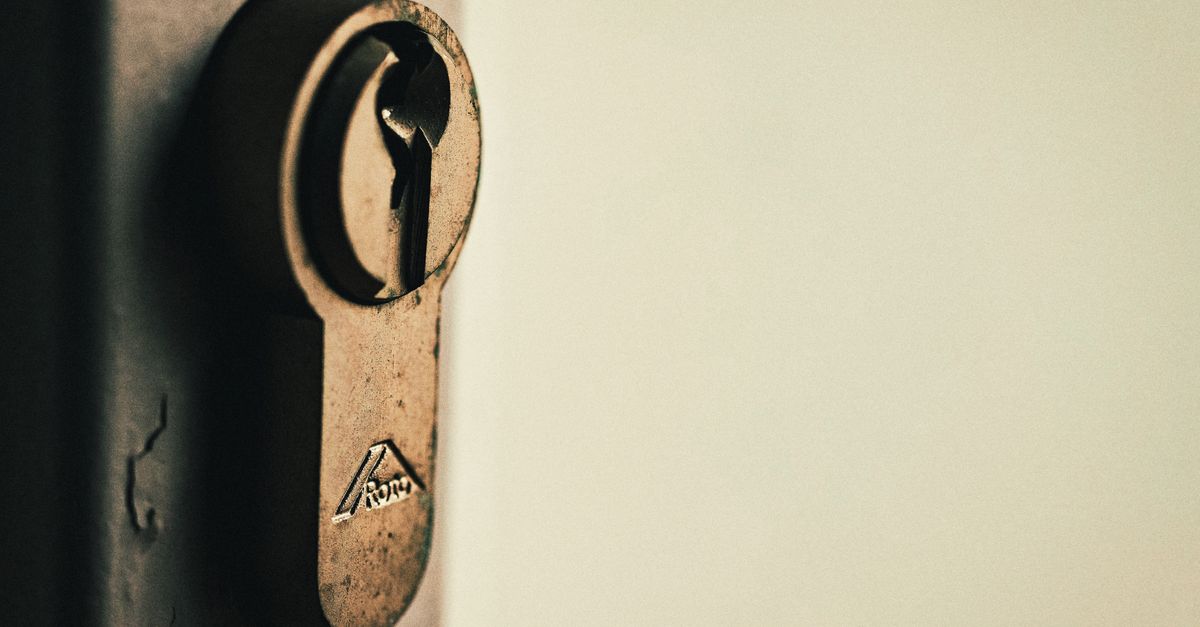
There's a third type worth mentioning that appears specifically on NYC apartment entry doors: the rim cylinder lock. A rim cylinder lock is surface-mounted — the cylinder sits on the outside of the door and connects via a long tailpiece to a rim latch case bolted to the inside face of the door. The classic Fox Police Lock (a bar brace system) and many older NYC nightlatches pair with a rim cylinder. If you see a small, circular keyhole that has no surrounding escutcheon plate or lever handle — just a cylinder flush-mounted in the door — that's almost certainly a rim cylinder lock. Knowing this matters because the rekey and replacement procedure for a rim cylinder lock is meaningfully different from either a mortise or cylindrical lockset, and you want a locksmith who recognizes that difference immediately.
## How to Tell Which Lock Is on Your Door in 30 Seconds
Stand inside your apartment and look at your entry door. First, check the door edge — the narrow strip of door visible when the door is closed. If you see a long, thin faceplate (often three to five inches tall) with both a latch bolt and a deadbolt bolt emerging from it, you almost certainly have a mortise lock set. The mechanism behind that faceplate is one integrated box sitting inside the door itself. Now look at the interior hardware: a large rectangular or oval escutcheon plate with a lever or knob, a thumb turn, and sometimes a key slot on the inside is another strong indicator. Finally, look for the mortise lock cylinder on the exterior — it's a round cylinder that sits within that large escutcheon, typically with a five-pin or six-pin keyway.
If instead you see two separate round holes in the door face — one for a knob or lever set and one for a deadbolt above it — you have a cylindrical lockset system. Each component has its own individual housing. And if you see a cylinder that appears to be sitting directly on the door surface with no surrounding plate or handle attached to the door face itself, look for a rim case mounted to the inside of the door — that's the rim cylinder lock configuration common in older NYC walk-ups. When in doubt, photograph your door hardware and send it to our team before calling — it helps us arrive with exactly the right parts and tools, saving everyone time. You can reach us at 646-722-6780 any hour of the day or night.
## Why Pre-War Manhattan Doors Almost Always Have Mortise Locks
The answer is partly architectural, partly regulatory, and partly a matter of economics frozen in time. New York City's pre-war apartment buildings — typically defined as those constructed before World War II, with the golden era running from about 1900 to 1940 — were built under a set of design standards that prized solid, repairable hardware. Doors in these buildings are often thick, solid-wood slabs hung in equally solid frames. The mortise lock was the professional grade standard of that era: more secure than a simple rim latch, easier for a skilled locksmith to service in the field, and built to last decades without replacement. Walk down any block in Greenwich Village, particularly the landmarked rowhouses between Bleecker Street and West 10th Street, and you'll find original mortise lock hardware that is 80 or 90 years old and still functioning.
Building codes and co-op board rules have also played a role in keeping mortise hardware in place. Many NYC co-op buildings require that exterior door hardware match a specific profile or finish, and replacing a mortise lock with a cylindrical lockset on a pre-war door would require significant door modifications — filling the old mortise pocket, reboring new holes — that most boards simply won't approve. Renters in rent-stabilized apartments are often restricted from modifying the door hardware at all without landlord approval. The result is a city where generations of locksmiths, building supers, and tenants have learned to work with mortise hardware rather than around it. Our team services mortise lock sets across the five boroughs daily, from Corbin Russwin mortise lock assemblies in Midtown commercial corridors to Baldwin mortise lock sets in Upper East Side co-ops, and we carry the most common cylinders and parts on our mobile units so we can handle most jobs in a single visit.
## Our Locksmith Services: What We Can Do for Your Door
East Coast Locksmith and Access Control handles the full range of residential, commercial, and emergency locksmith needs across New York City. Whether you're dealing with a broken mortise lock set on an exterior door, a rim cylinder lock that won't turn, or a door knob lock that a previous tenant's key still opens, our experienced locksmiths can help. Here is a specific look at what we offer: mortise lock installation and replacement, mortise lock cylinder rekey and replacement, rim cylinder lock service and upgrade, cylindrical deadbolt installation, high-security lock upgrades (Medeco, Mul-T-Lock, ASSA), master key system design for multifamily buildings, emergency lockout service for residential apartments, commercial locksmith service for storefronts and office suites, access control system installation including keypad and fob entry, door closer adjustment and replacement, lock repair for damaged or worn mechanisms, key duplication including restricted keyways, transponder key programming for vehicles, car lockout service across the five boroughs, broken key extraction from any lock type, mailbox lock replacement, safe opening and combination changes, intercom and buzzer-integrated lock service, garage door lock and hardware service, CCTV and security camera installation, electric strike and magnetic lock installation, panic bar and exit device installation and repair, door frame and reinforcement hardware installation, lock installation for sliding doors and French doors, and 24-hour emergency locksmith response for any lock or door situation. If your specific need isn't listed, call 646-722-6780 and describe what you're dealing with — we'll tell you on the spot whether we can help and what to expect.
## Locksmith Costs, Lockouts, and What Defines an Emergency
One of the most common questions we hear — right alongside 'what kind of lock do I have?' — is some version of 'how much does an NYC locksmith cost?' or 'how much is the average locksmith charge?' There's no honest single-number answer, because the final price depends on several real factors: the type of lock involved (a mortise lock set on an exterior door requires more labor and potentially more specialized parts than a simple deadbolt rekey), the time of day (a 3 a.m. lockout versus a midday appointment), travel distance within the metro area, and the specific parts needed for your particular hardware. What we commit to is confirming an exact, up-front price before any work begins — no surprises on the invoice. What defines an emergency situation for locksmith purposes? Generally: being locked out of your home, car, or business with no safe alternative entry, a broken lock leaving your door unsecured, a key snapped off in the cylinder, or a lock that has been compromised after an attempted break-in. All of those qualify for our emergency response line, which is open every hour of every day. If you're ever unsure whether your situation warrants an emergency call, call anyway — we'd rather talk you through it than have you standing outside in a Greenwich Village doorway at midnight wondering what to do. Reach us at 646-722-6780, and we'll walk through your options immediately.
## What Our Customers Say — and Why It Matters for a 24 hr Lockout Service
When someone calls a locksmith, they're almost always having a bad moment — locked out, running late, dealing with a broken lock after a long day. What matters in that moment isn't a polished marketing pitch; it's whether a trained professional actually shows up, actually knows what they're doing, and actually treats you with respect. The feedback we consistently hear from customers across the New York area centers on a few specific things: that our locksmiths could identify the lock type (mortise, rim cylinder, cylindrical) without needing to be told, that we explained what we were doing and why, and that we didn't invent extra services or fees once we were at the door. For a 24 hr lockout service in a city where it's easy to feel vulnerable at odd hours, those specifics matter more than general promises. Our locksmiths working Greenwich Village, the East Village, Harlem, and across all five boroughs are experienced with the real, specific hardware that exists in New York's housing stock — not just the standard locksets that dominate the rest of the country. That local familiarity is part of the service.
## Locksmith Greenwich Village NYC — and a Note on Finding Help Near You
If you're searching for a locksmith near me in Manhattan or the surrounding boroughs, the most important thing to verify is that the team you call actually operates in your area and actually has mobile units — not a call center routing you to whoever is available. East Coast Locksmith and Access Control runs fully equipped mobile units across the New York area, including Greenwich Village, where the dense mix of landmarked pre-war buildings, narrow one-way streets like Commerce Street and Bedford Street, and a high density of co-ops and rental walk-ups creates a very specific set of locksmith demands. Our locksmiths working this neighborhood arrive knowing that the door around the corner likely has an 80-year-old mortise lock set with a Corbin Russwin or similar cylinder — not a standard Kwikset — and they carry the right tools and parts accordingly. Whether it's an emergency locksmith call at midnight or a scheduled lock upgrade on a West Village townhouse door, we treat every job with the same level of preparation. Call 646-722-6780 — we answer 24/7, any day of the year.
Frequently asked questions
What is a mortise lock, and how is it different from a regular deadbolt?+
A mortise lock is a self-contained locking mechanism installed inside a rectangular pocket (the mortise) carved into the edge of a door. It typically combines a spring latch and a deadbolt — and sometimes additional functions — into one integrated steel case, operated by a lever or knob handle on an escutcheon plate. A regular deadbolt, by contrast, is a single-function cylinder lock installed by boring a round hole through the door face; it has no integrated latch and requires separate door knob lock hardware for passage. Mortise locks are more common in pre-war New York City buildings because they were the professional standard when those buildings were constructed, and they're generally considered more robust and repairable over the long term.
How much does an NYC locksmith cost for a mortise lock repair or rekey?+
How much is the average locksmith charge for mortise lock work depends on several real variables: the specific lock model (a Corbin Russwin mortise lock or Baldwin mortise lock set may require manufacturer-specific cylinders or parts), whether the job is a rekey, a cylinder swap, or a full lockset replacement, the time of day, and our travel distance to your location. We don't publish flat-rate figures because they're rarely accurate for the range of hardware found in New York City apartments and commercial spaces. What we do commit to is giving you an exact, confirmed price before any work starts — so you know precisely what you're agreeing to. Call 646-722-6780 and describe your situation for an accurate, honest quote.
Can a rim cylinder lock be upgraded to a higher-security option without replacing the whole door system?+
Yes, in most cases. A rim cylinder lock is designed so the cylinder itself is a modular, replaceable component — the cylinder sits in the door and connects via a tailpiece to the rim latch case mounted on the inside. That means a skilled locksmith can swap the existing cylinder for a higher-security option (such as a Medeco or Mul-T-Lock cylinder with a restricted keyway) without touching the rim case or modifying the door. This is a common and practical upgrade in NYC walk-up apartments where the landlord or co-op board won't allow full hardware changes but does permit cylinder upgrades for security purposes.
What defines an emergency locksmith situation, and when should I call rather than wait?+
An emergency locksmith situation generally covers any circumstance where you cannot safely secure yourself or your property and have no immediate alternative remedy. That includes being locked out of your apartment, home, car, or business; a key broken off inside the lock cylinder; a lock that's been damaged or compromised and won't secure the door; or a lock failure following an attempted break-in. If you're unsure whether your situation qualifies, call 646-722-6780 anyway — our team can assess the situation over the phone and tell you the fastest and safest course of action. We operate a 24 hr lockout service across New York City every day of the year, and no situation is too routine or too complicated to call about.